02 Manufacturing capabilities

Three decades
of weaving
natural-fibre cloth.
Under our own roof.

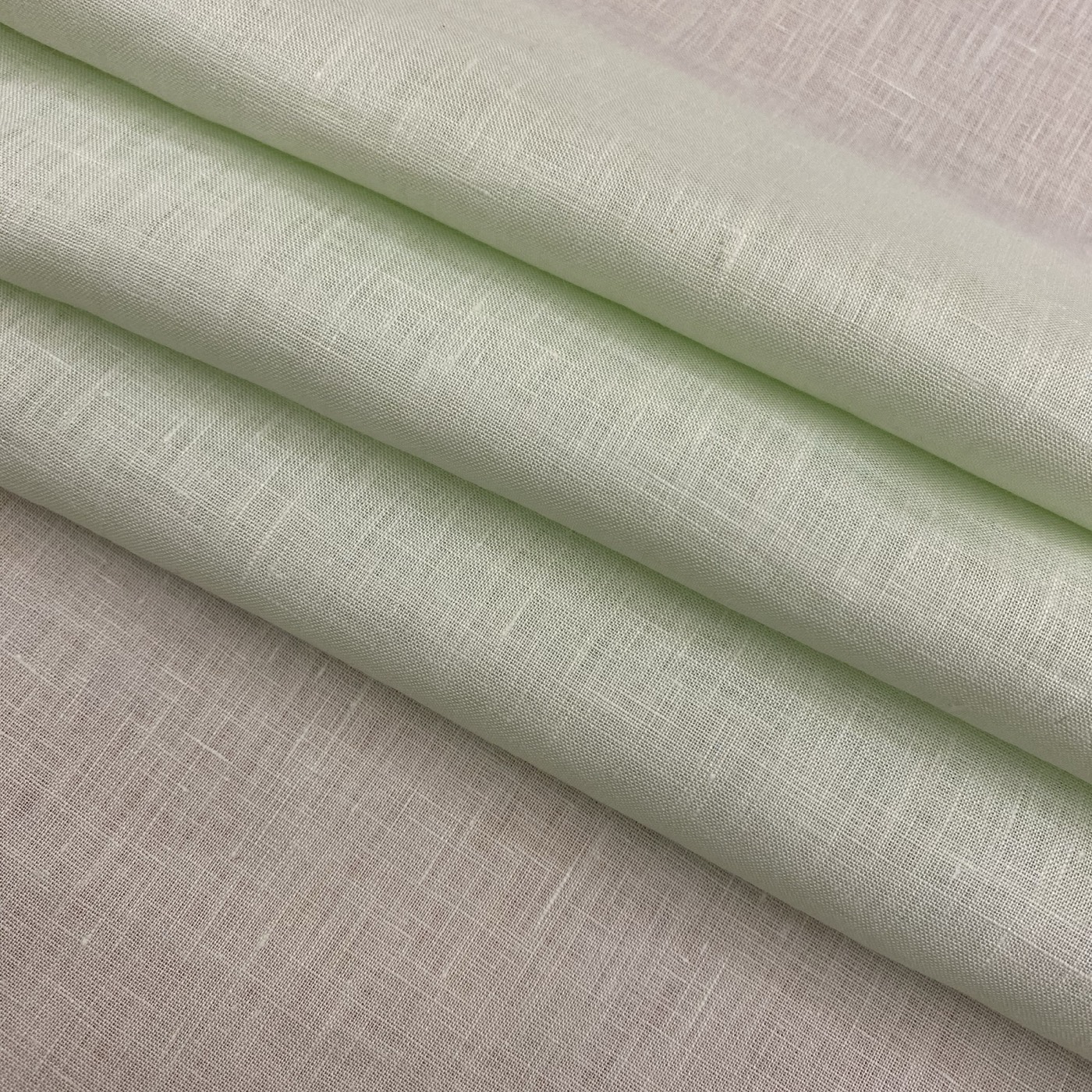
Govardhan Overseas operates a vertically-integrated weaving operation. Yarn arrives, gets quality-checked, gets dyed where required, gets warped and woven on our own looms, gets inspected, gets finished, and gets dispatched — all under one chain of custody and one certification scope. The fibres span linen, hemp, cotton, viscose, lyocell, micro modal, polyester, and silk. The constructions span fine shirting through to wide-width drapery.

Every stage of what we do, in the order it happens. There are no hidden steps and no marketing layer between us and the cloth we ship.

  1. 01

    Yarn sourcing

    Long-staple natural-fibre yarns sourced through three decades of mill relationships. Linen (wet-spun and dry-spun), hemp, cotton, viscose, lyocell, micro modal, polyester, and silk — across the count and grade range needed for everything from fine apparel shirting to wide-width drapery.
  2. 02

    Yarn receipt & quality check

    Every yarn lot is logged with a goods receipt note, quality-tested for count, strength, uniformity, and visual defects, and stocked in humidity-controlled conditions. Lot numbers are preserved through to finished fabric dispatch for full traceability.
  3. 03

    Yarn dyeing

    Greige yarn is dyed to shade specification through certified subcontracted facilities under our GOTS / OCS scope. Full job-work documentation preserves chain of custody — yarn returns to our plant with the same lot number it left under.
  4. 04

    Warping & drawing-in

    Sectional warping for warps requiring section-by-section tension control. Drawing-in to construction specification by our own craftspeople — the unglamorous but critical step where the warp ends are placed through drop wires, heddles, and reed.
  5. 05

    Weaving

    Our own modern rapier looms run multiple shifts a day, including dobby and jacquard looms for structured and figured constructions. Standard widths for apparel and shirting through to wide-width constructions for home textiles and drapery.
  6. 06

    Greige inspection

    Off-loom fabric is inspected on our in-house inspection line. Piece-by-piece defect logging. Reconciled against the production programme. Approved pieces move to finishing or dispatch; rejects are reworked or written off.
  7. 07

    Finishing & dispatch

    Finishing is handled through certified facilities under our scope. Greige leaves with a job challan and returns with a matching return document. Finished fabric is re-inspected before packing and dispatch, with Transaction Certificates issued for certified-scope orders.

Linen-led,
but not linen-only.

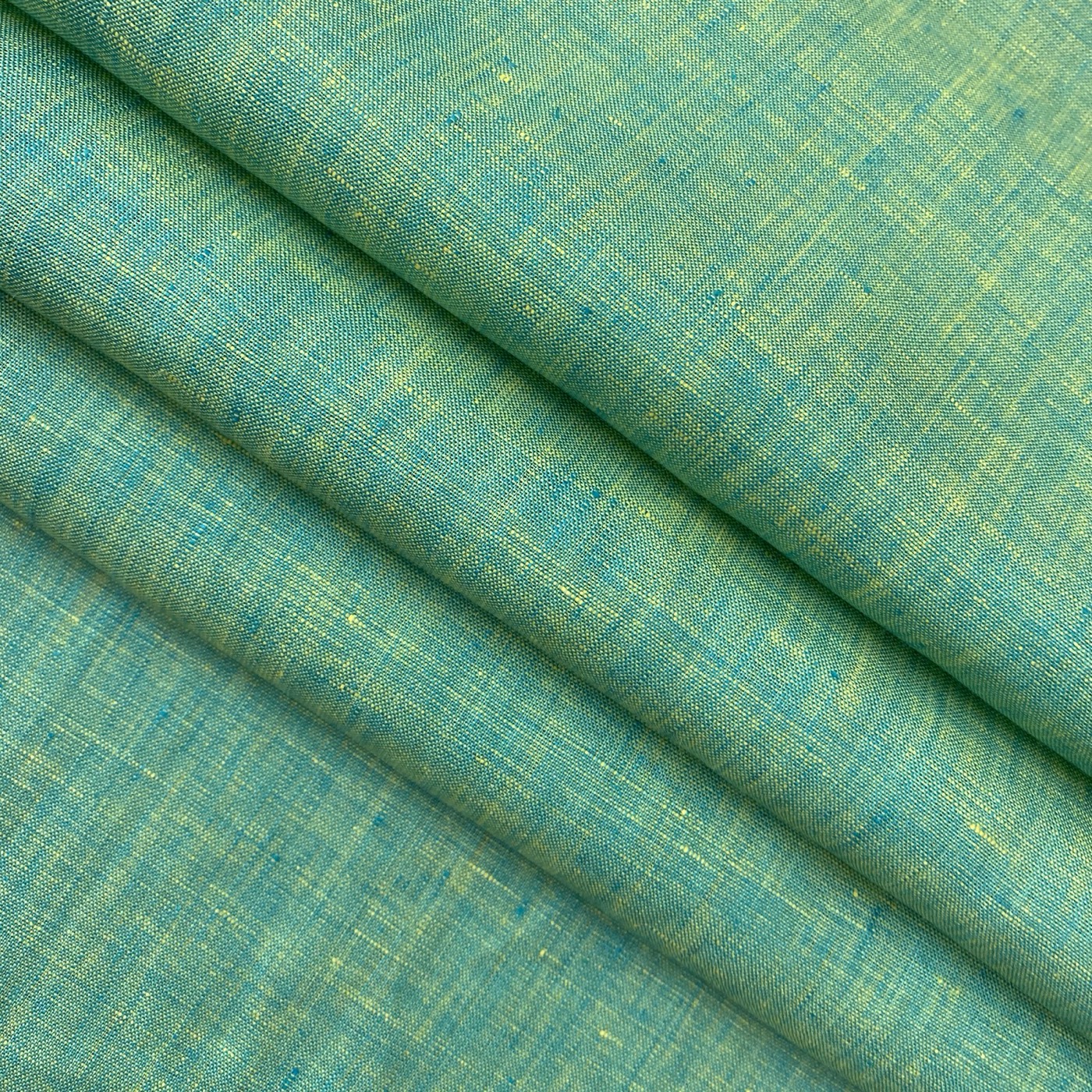
Linen has been our specialism since 1995 and remains our largest category. Over three decades we've added the natural fibres that work alongside it — hemp, cotton, viscose, lyocell, micro modal, polyester, and silk — and the blended constructions our customers actually want. Every fibre below is handled in our own production programmes and covered by our certification scope where applicable.

Linen

Our flagship fibre. We work with both wet-spun long-line linen (the premium grade — fine, smooth, shiny, used for apparel and fine home textiles) and dry-spun tow linen (more textured, used for upholstery and rustic constructions). Counts from coarse industrial weights through to fine 60-LEA shirting.
Hemp

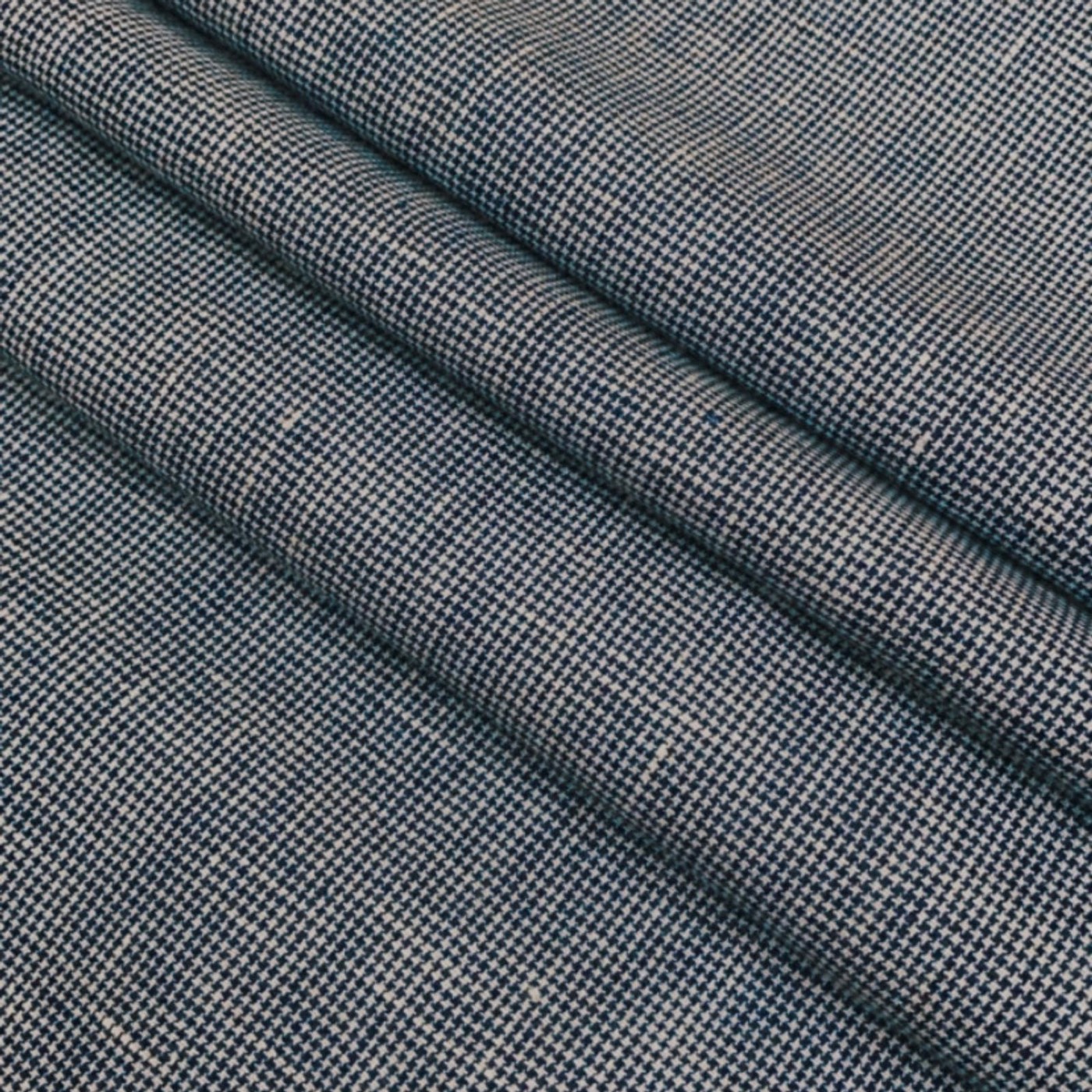
A growing category. Naturally strong, low-input, and a good rotation crop. We work with hemp on its own and in blends with linen, cotton, and viscose for buyers wanting a more rustic hand than fine linen offers.

Cotton

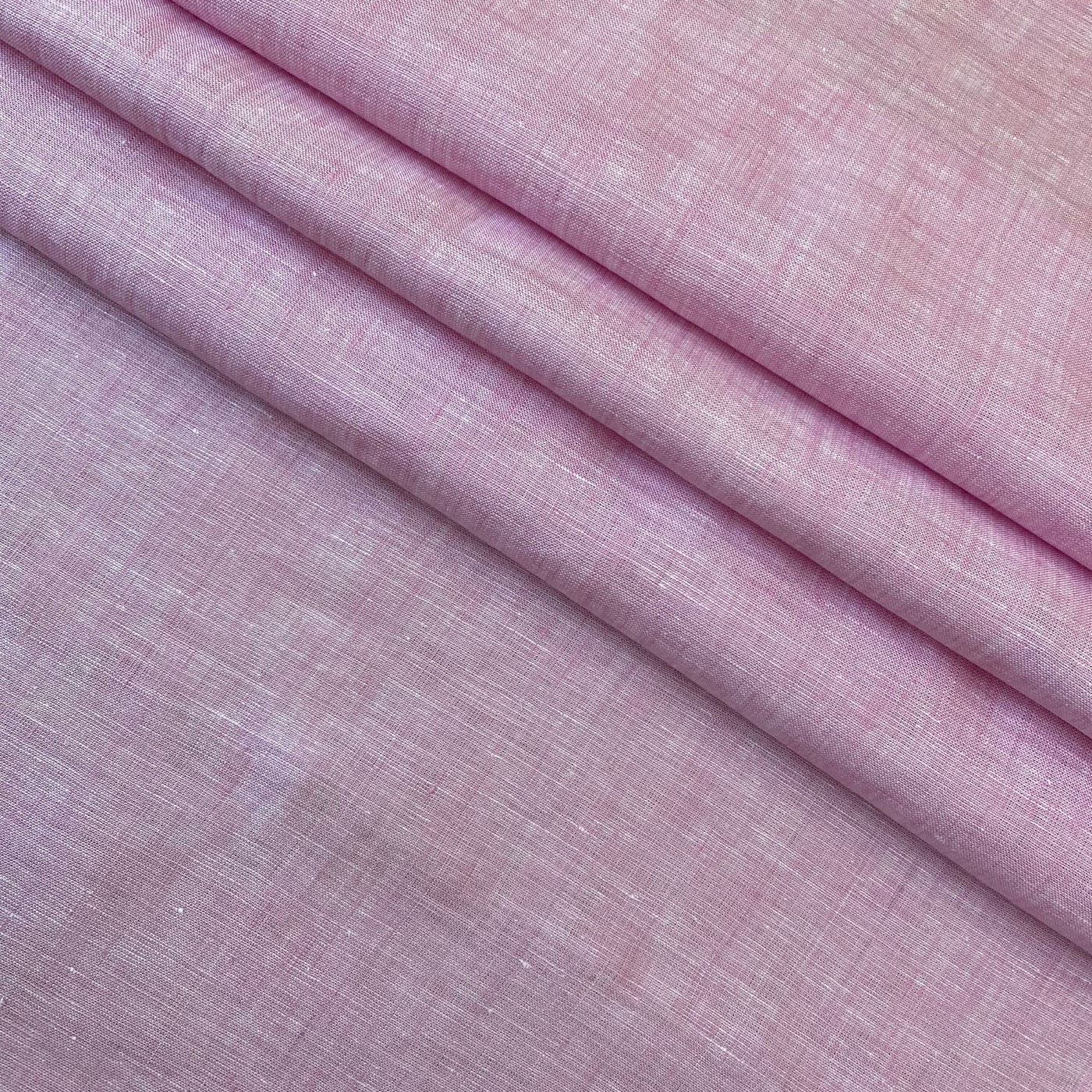
Used both on its own and as a blending partner for linen. Linen-cotton in 55/45 and 70/30 ratios is one of our largest categories — softens the hand of linen and improves wrinkle recovery without losing the cool drape.

Bamboo

Bamboo viscose (the chemically-processed cellulosic) blended with linen for buyers wanting a soft, fluid drape on a natural-fibre base. Available under our OEKO-TEX scope.

Silk

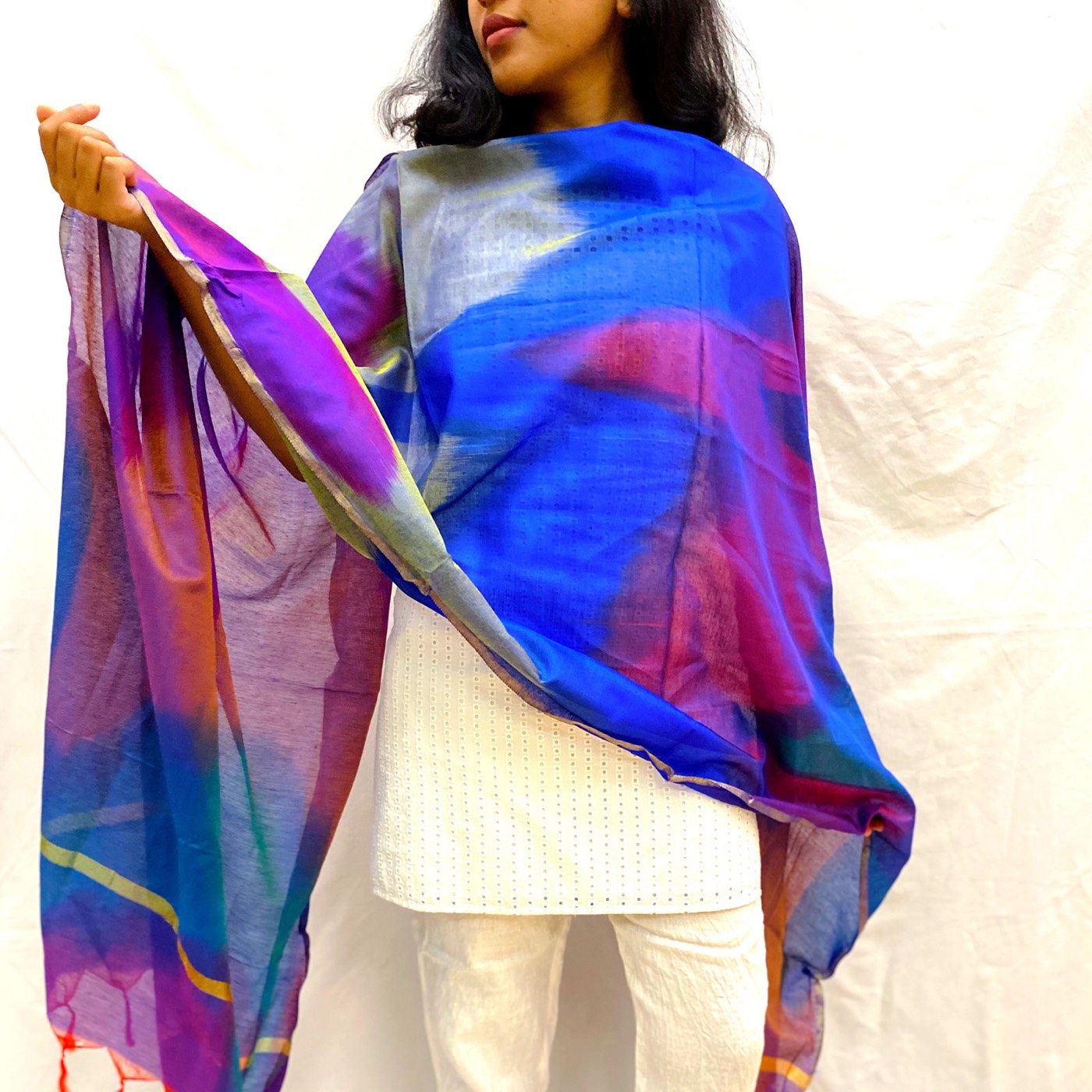
Linen-silk blends (notably linen-silk jacquards) sit at the premium end of our range. Silk brings sheen and drape; linen brings structure. The combination is especially used in heritage home textiles and high-end apparel.

Cellulosics

Lyocell (Tencel), micro modal, and viscose blending partners for linen and cotton. Sustainable, soft-handed, and well-suited to dress fabric and home-textile constructions.

Standard width
to wide width.
Solids to jacquards.

Our looms cover the construction range buyers actually need:

Standard widths

Narrow apparel and lining widths through to standard home-textile widths. Used for shirting, dress fabric, light home textiles, and the bulk of apparel work.

Wide-width

For home textiles and drapery work that needs to be sewn without pieceing — duvet covers, curtains, wide upholstery panels.

Solids

Plain, twill, and satin weaves across the fibre and count range. Raw bleached, raw natural, and dyed states.

Yarn-dyed stripes & checks

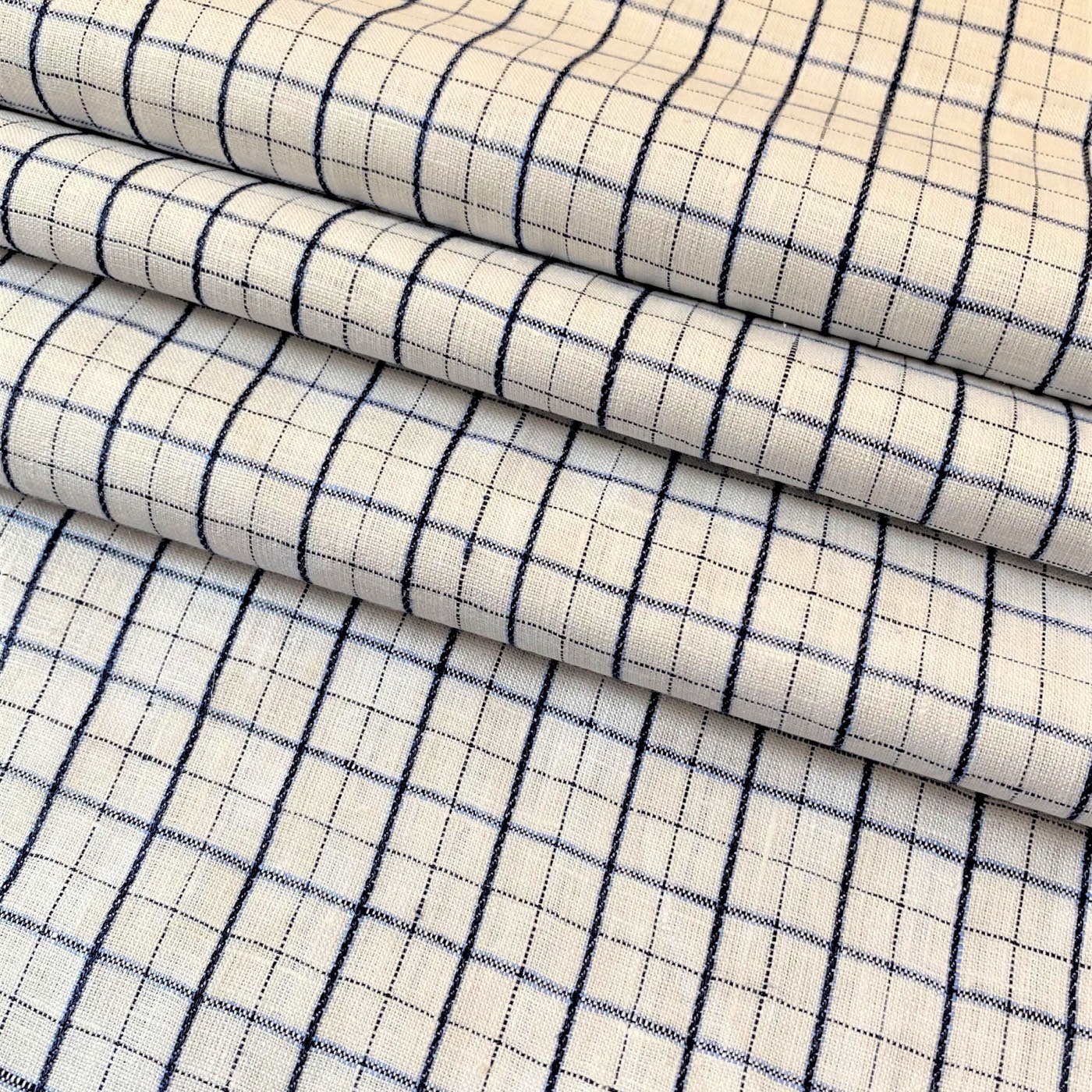
Woven with pre-dyed yarn so the colour is locked into the construction rather than applied to the surface. Doesn't fade the way piece-dyed goods do.

Dobby constructions

Structured weaves — herringbones, chevrons, diamonds, geometric figures — produced on our dobby-equipped looms.

Jacquard constructions

Figured fabrics with large repeat sizes for home textiles, drapery, and high-end apparel. Jacquards require programme development time — we'll work with you on design and sampling.

Audits welcome

Bring your
compliance team.

The plant is set up to host buyer audits at short notice. We host annual audits for our GOTS, OCS, GRS, and OEKO-TEX certifications, and we can accommodate retailer-specific compliance audits (worker welfare, traceability, child labour, manufacturing restrictions) on request. Documentation is current and available on a buyer-by-buyer basis under NDA.

Schedule a plant visit